

This module introduces light as both a natural phenomenon and a human-made technology, tracing the evolution of artificial lighting from fire to LEDs. Learners explore the main forms of light pollution and the foundational principles of sustainable lighting that guide the rest of the course.

Learners develop the skills to observe, document and measure light pollution using structured methods, physical instruments and digital tools. The module closes with a practical exercise in preparing a diagnosis sheet for a real or selected location
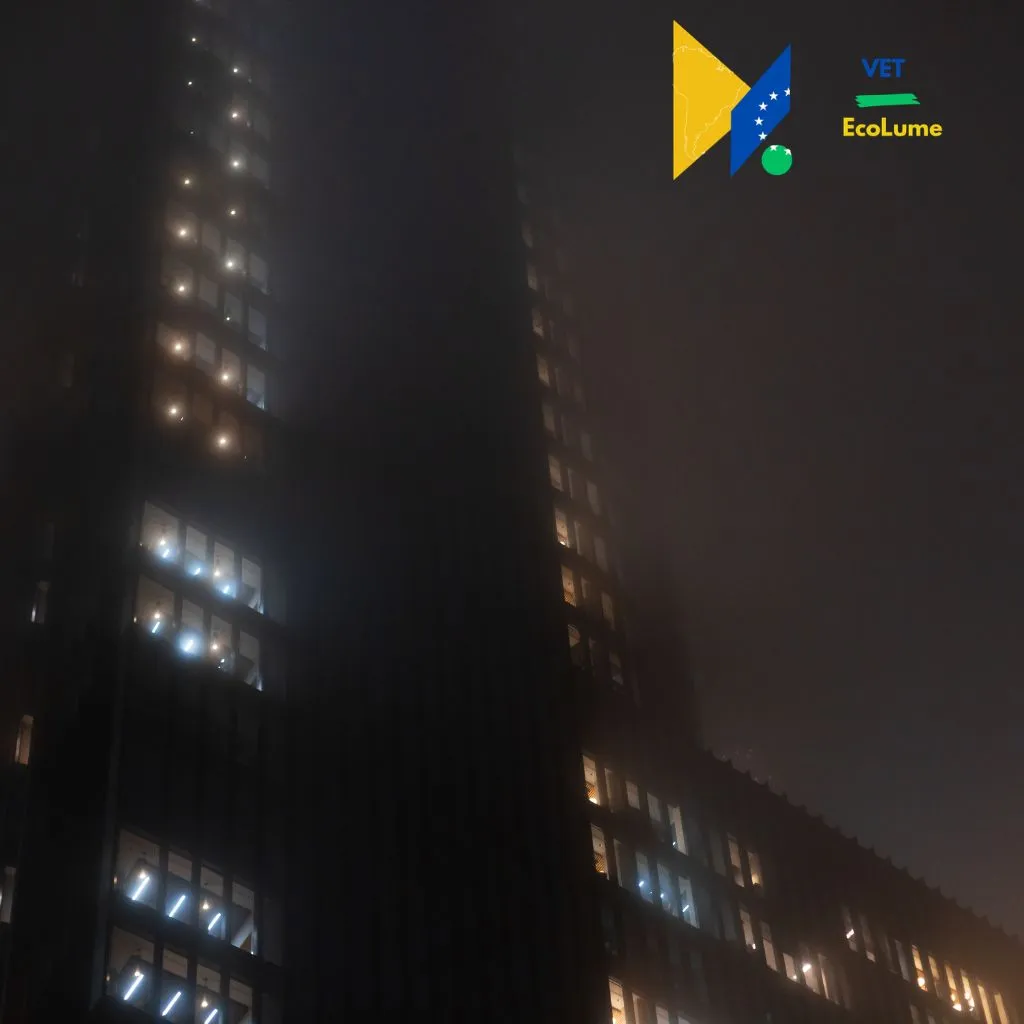
This module examines the consequences of artificial light at night for ecosystems, biodiversity and human health, with a focus on circadian rhythms and the biological need for darkness. Learners apply a basic impact assessment framework to connect a specific light pollution problem to its effects on identified receptors.
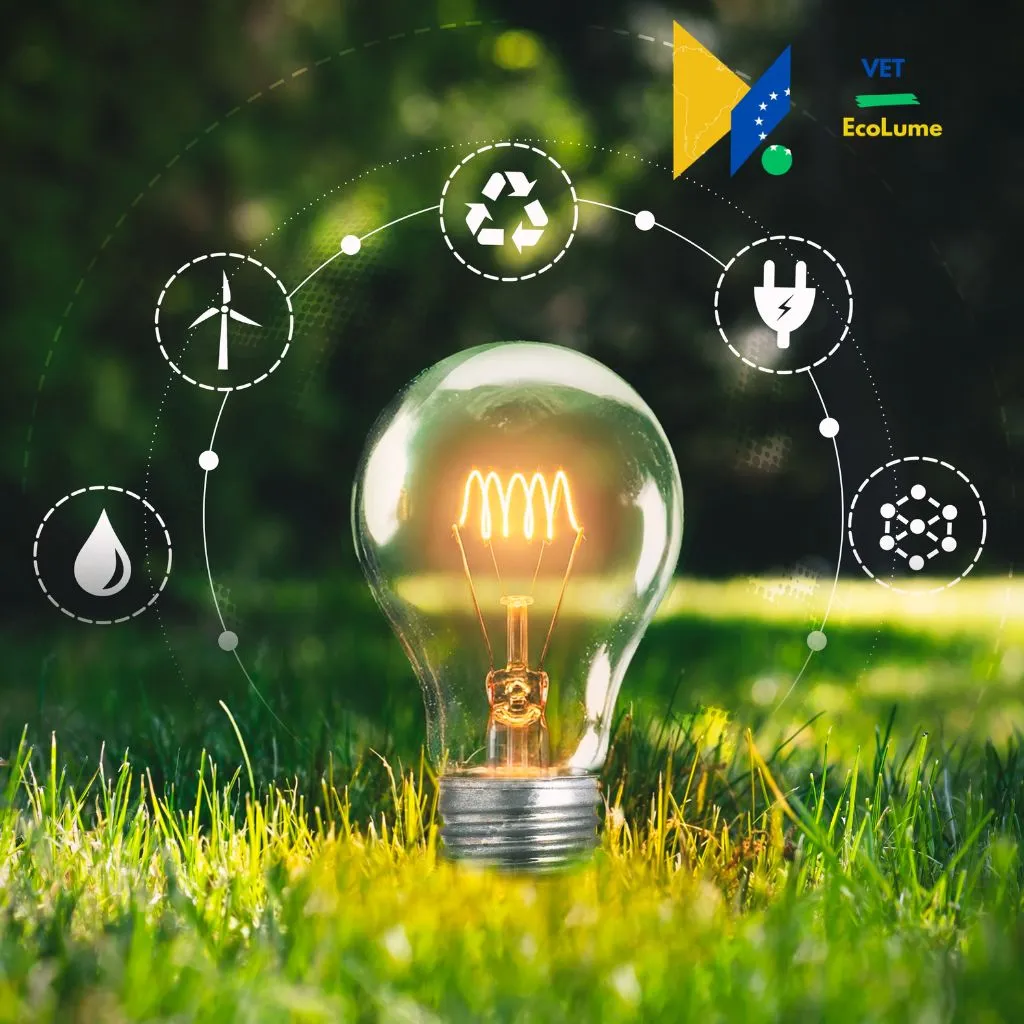
Learners explore how urban lighting is planned and managed, from Urban Lighting Plans and Light Urbanism principles to the main typologies of urban lighting and concrete technical solutions for reducing light pollution. The module guides learners toward designing a small-scale intervention for a real or selected location.

This final module focuses on the collective dimension of light pollution mitigation: mapping stakeholders, understanding governance roles, designing communication campaigns, and structuring a proposal. Learners close the course by developing a persuasive pitch using the Public Narrative framework.

This work is licensed under a Creative Commons Attribution-ShareAlike 4.0 International.